
It seems like the modern world has never been closer to its inhabitants than ever before. The Internet, technological innovations, digital gadgets all these things have greatly simplified our lives. Still, while we get more benefits from technology, we sacrifice something else in return privacy. Nowadays, digital privacy is seen not only as an essential human right but also a luxury as well.
Digital Privacy Is Becoming More of a Necessity

People started getting interested in digital privacy about a decade ago. The emergence of the data breach scandal, targeted marketing practices, and the growing application of AI technologies increased awareness regarding this issue. Modern users have already become much more conscious of what happens to their personal data and when it becomes compromised.
Privacy as a Luxury

It might seem like the concept of digital privacy should belong to everyone as the basic human right, yet it is a luxury for some. Access to advanced privacy technologies such as encryption and other security measures requires both high levels of technical knowledge and considerable expenses. Besides, users have to understand which platform to trust and which one is not secure enough.
Why Is Privacy Becoming a Luxury?
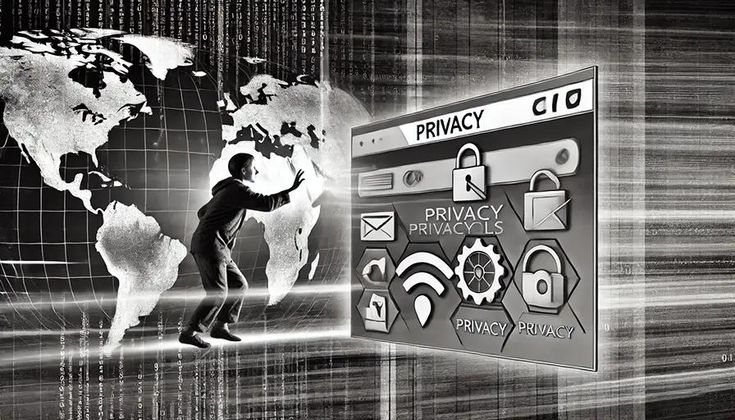
One of the reasons why it is hard to get full privacy online is the nature of big tech companies’ business. All these platforms are working on the basis of data gathering to provide more targeted experiences. The need to share information and personal preferences in order to get better services makes users vulnerable.
In addition, some of the popular and convenient digital products require users to give more information than they are ready to do. Some of these websites and applications are based on freemium services, which means that the collected information serves as their income sources. On the other hand, some people may not find it convenient to use a product with limited privacy.
Government and Private Sector Responses to Growing Awareness

To cope with the growing concerns regarding the lack of privacy, tech giants decided to introduce some additional security features into their products. Thus, data encryption and improved settings are becoming a trend among the leaders. Moreover, governments are trying to help users by establishing new policies that regulate the gathering of personal data.
Changing User Behavior

As awareness increases, users begin changing their behavior when using digital technologies. For example, modern users have started to:

- Reduce the information being shared on-line
- Use browsers and search engines prioritizing privacy
- Enable two-factor authentication
- Review permissions needed by applications
- Not click suspicious links and visit questionable websites
It reflects a wider change in society and digital culture when privacy is regarded as one of the pillars of digital literacy.
Convenience vs Control Over Data

The major issue of the modern digital era can be seen as a conflict between convenience and control over personal data. Personalization, speed, and interconnectivity all depend on the availability and analysis of users’ data. Yet, it means that the risks increase alongside the number of opportunities that arise.
Users need to think about how much control they can get back, while still enjoying the convenience of modern digital technology. It is not always possible to stop sharing data, as it often provides great benefits for users and organizations.
Privacy in the Future of Technology
The topic of digital privacy will probably become increasingly relevant in the future as technology continues developing. The Internet of Things, Artificial Intelligence, and other emerging technologies generate immense amounts of data, which means privacy issues only get bigger.
Effective cooperation between different stakeholders will be necessary to protect the privacy of internet users. In addition, digital education will be necessary to inform people about their rights.
Conclusion
Digital privacy is a matter of concern for many individuals, organizations, and states due to its relevance and implications for users. In today’s data-driven world, ensuring personal privacy becomes another way of exercising control and providing security.
Users start understanding that they need to take actions to protect themselves and their personal information. The problem of having to sacrifice something for getting privacy back shows an emerging gap in the field.