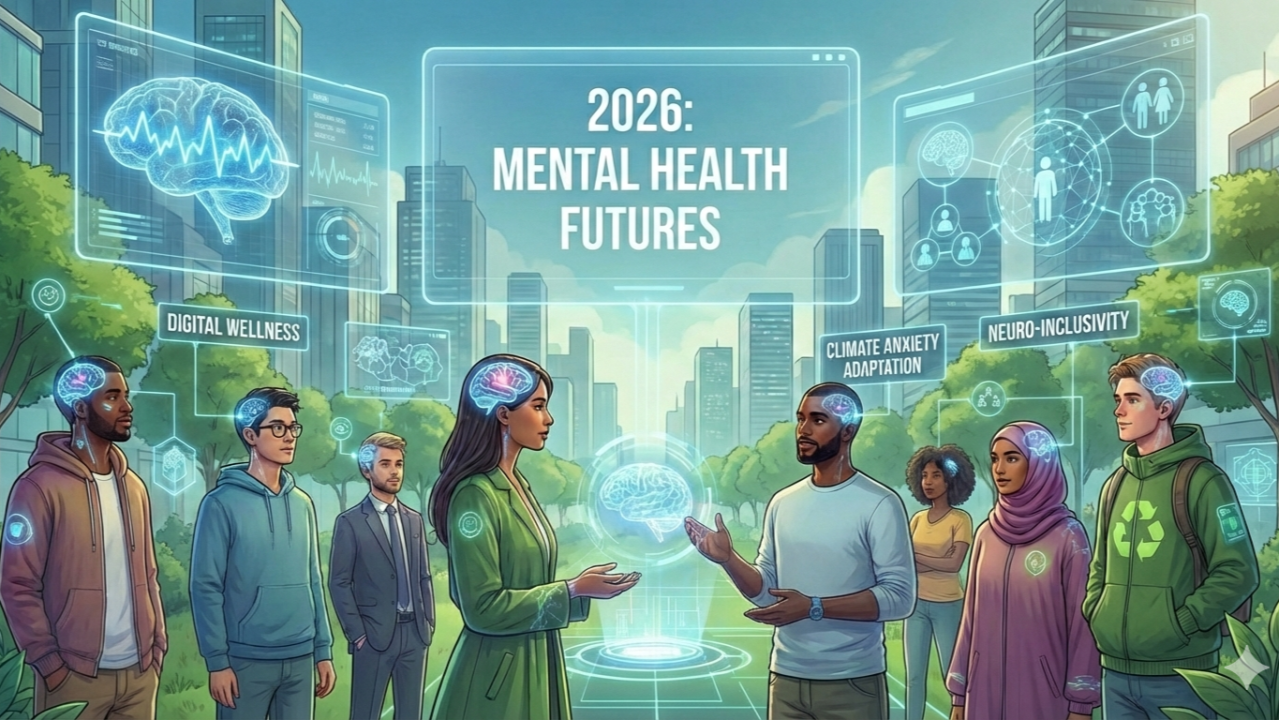
With digital transformation becoming an inevitable part of our lifestyle, digital transformation, as well as its impact on our psychological well-being, is the most topical issue of 2026. There are many positive sides of this innovation, related to artificial intelligence, telecommuting, social networks, etc. However, there are also some negative aspects of these phenomena.
It is crucial to learn about them if you want to make the world a better place.
The Relationship Between Digital Life and Mental Health
Currently, digital technology plays an essential role in our lives. All the people have smartphones, social networks, instant messengers, artificial intelligence, and other kinds of innovations. Despite all these innovations giving us many advantages, the excessive usage of digital technology also causes stress, anxiety, and depression.
Future Trends In Mental Health For 2026
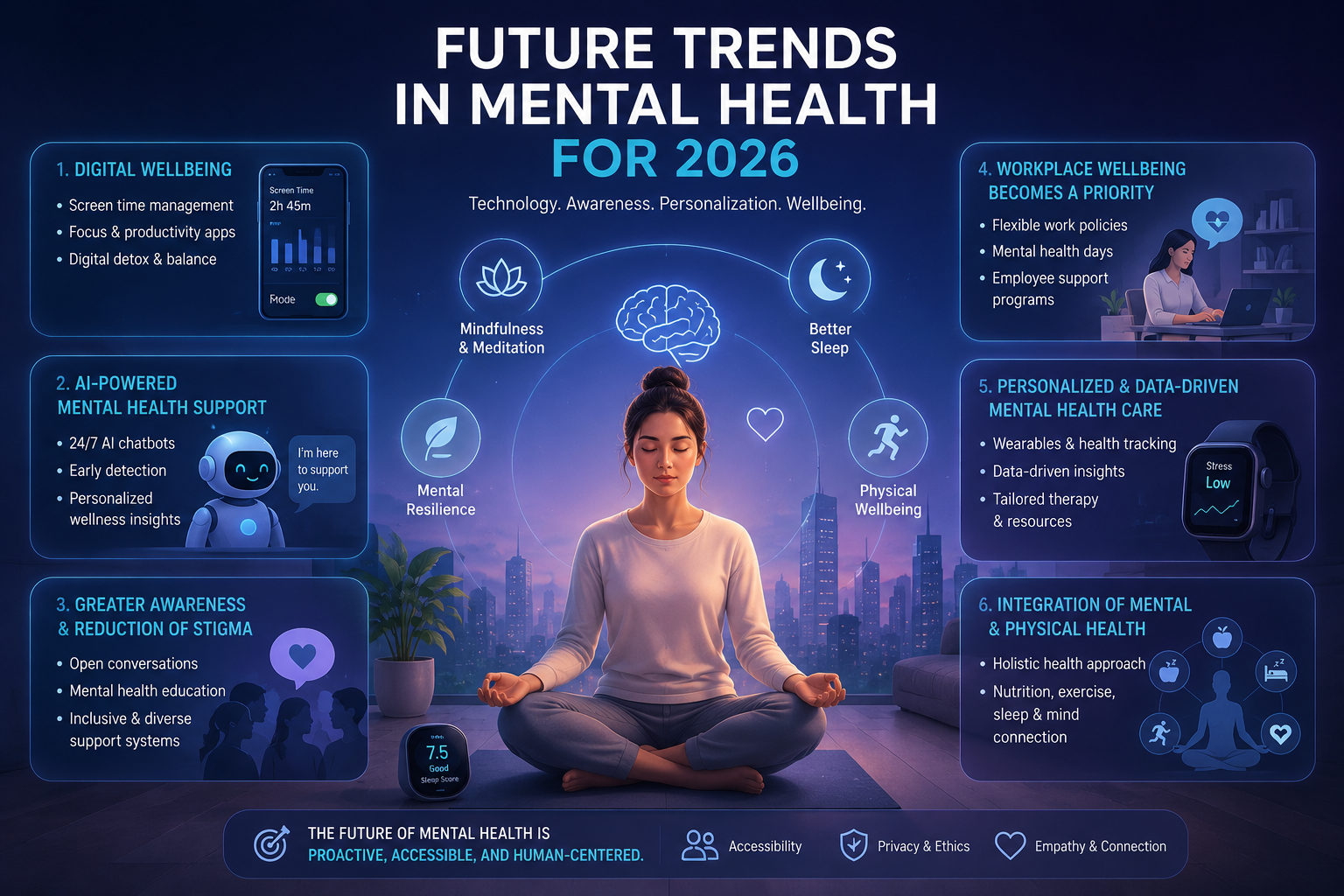
1. Digital Wellbeing
It is no longer an exclusive activity. Many individuals and businesses strive to find a way to avoid screen burnout, increase focus and promote positive digital habits.
The most common techniques for achieving digital wellbeing are:
- Tracking your screen time
- Allocating special times to make a digital break
- Mindfulness applications
- Applications that improve focus and productivity
2. Artificial Intelligence-based Mental Health Services
Artificial Intelligence has revolutionized the field of mental health. AI-powered chatbots, mental health bots and wellness apps become more accessible than ever.
Advantages of using them are as follows:

- Availability of round-the-clock emotional support
- Early identification of mental health problems
- Individual wellness advice
- Greater accessibility of mental health resources
Although AI cannot fully replace professional therapists, it may become a good addition to traditional treatments.
3. Higher Understanding of Work Burnout
The process of working from home and combining it with a hybrid model of work is still common in 2026. While it makes the process of working much more flexible, it has caused some kind of confusion about separating work from leisure.
That is why businesses put much more emphasis on employees’ mental wellbeing at the workplace
and implement solutions like:
- Flexible work schedules
- Mental health days
- Employee assistance programs
Challenges Encountered by Mental Health During the Digital Age Pressure from Social Media
Alis Behavioral Health
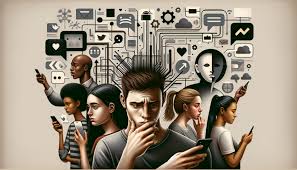
The pressure created by social media continues to affect self-confidence and mental health due to the constant comparison to meticulously curated lives. Some of the emotions that people experience from social media are:
- Comparison fatigue
- Fear of missing out (FOMO)
- Social validation dependency
- Stress
Information Overload
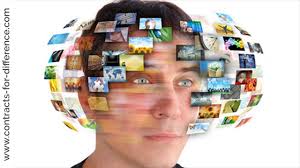
An unending flow of news, messages, emails, and other types of information might put great pressure on the brain. One of the reasons for mental fatigue and inability to concentrate is information overload. The symptoms of information overload are:
- Inability to concentrate
- Fatigue of the mind
- High levels of anxiety
- Unproductiveness
Digital Burnout

Digital burnout has become one of the major issues associated with mental well-being in 2026. Constant screen exposure can result in exhaustion.
The symptoms of digital burnout are:
- Constant fatigue
- Irritability
- Lack of motivation
- Sleep difficulties
Steps Towards Achieving Positive Mental Well-Being Setting Healthy Boundaries with Technology
Positive Psychology
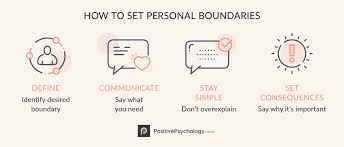
If you have healthy boundaries between your online and offline life, your mental well-being will definitely improve. Here are some ways to do that:
- Limiting social media usage
- Turning off all those notifications you don’t need
- Allocating screen-free hours
- Not using any kind of technology at night
- Emphasizing Meaningful Personal Interaction
While it’s true that there are many things one can get from convenient digital communication, it cannot be argued that personal interaction is absolutely essential for mental health. Spending quality time with people you care about eliminates loneliness.
Taking Part in Meditation Activities. Meditation, deep breathing exercises, and journal writing are just some mindfulness techniques you can utilize to manage stress. Physical activities, enough sleep, and proper nutrition play an equally significant role in good mental well-being.
Get Professional Help if Necessary. If you face some problems related to your psychological state, professional therapists, counselors, and healthcare specialists will provide you with valuable recommendations and effective treatment programs.
The Future of Digital Wellness

Along with increased awareness about digital wellness, the topic is going to evolve into an integral part of everyday life. Companies that work in the sphere of technology and governments are more aware of the fact that they are responsible for encouraging healthy digital habits.
Potential innovations in this field include advanced screen time tracking apps, AI technologies aimed at promoting wellness, and digital products devoted to maintaining one’s psychological state.
Conclusion
The combination of digital world and mental health will be determining the life of society in the upcoming years. Although technology has numerous advantages and provides us with the great possibility for communication, working productively, and innovations, there are additional psychological challenges that come along.
By using digital wellness techniques, setting up boundaries, and focusing on one’s well-being, people are able to use technology and reap its benefits without harming their mental health.