
Productivity Tips Minimalistic Approach to Using Digital Devices: How to Reduce Your Screen Time without Reducing Your Efficiency
It goes without saying that technologies have penetrated into our life and become an indispensable element thereof. Mobile phones, computers, social media, and instant messaging have made the process of communication and work more effective and convenient; at the same time, technology has brought about another issue, the issue of the excessive screen time.
The problem is that many people spend their day using emails, social networks, streaming services, and other applications without paying attention to the time spent on doing so; this continuous usage of digital devices leads to distraction, mental fatigue, poor sleep quality, and lack of efficiency.
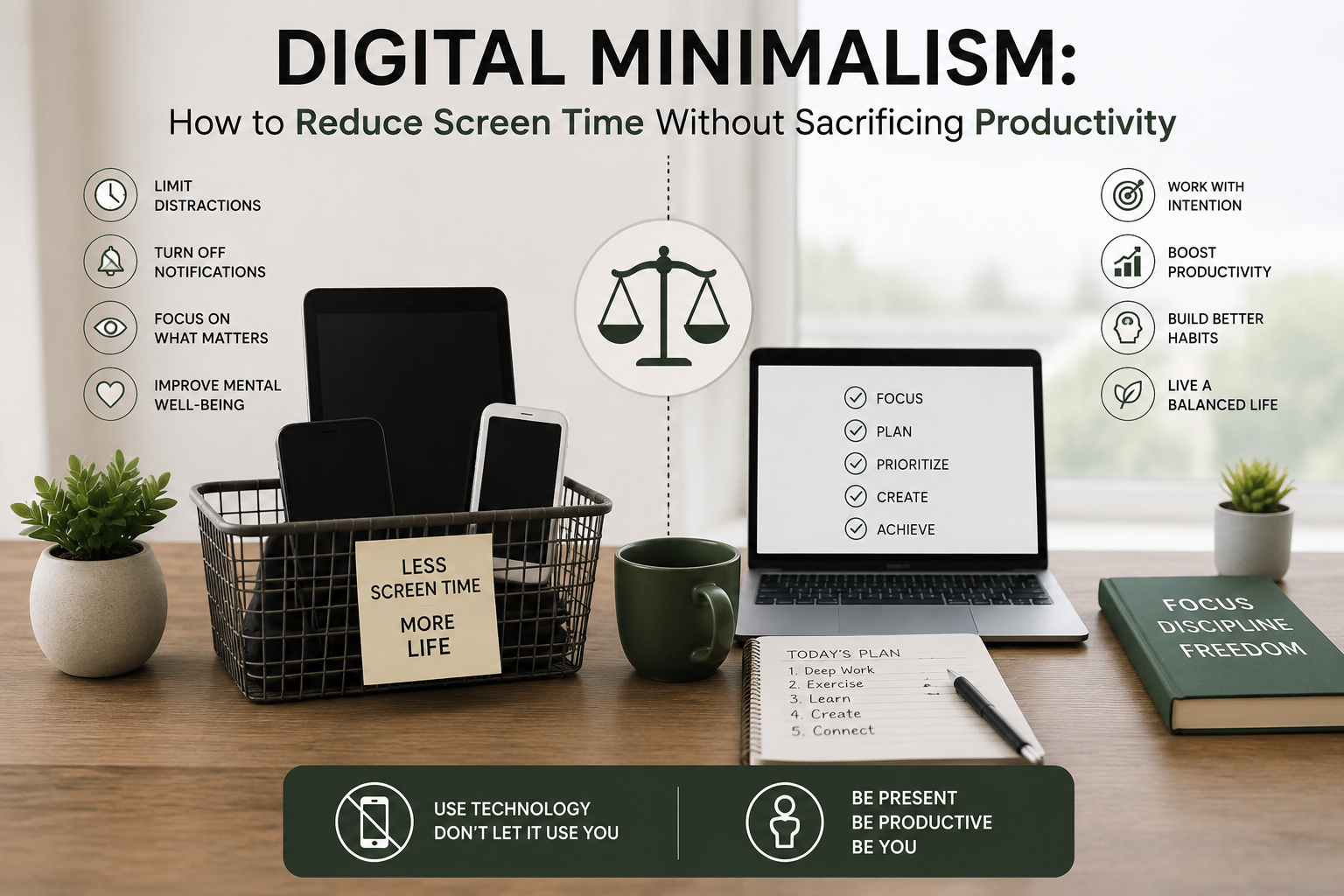
Here is when the idea of Digital Minimalism comes into play. It does not mean giving up the usage of digital devices but means using them in a conscious manner.
What Is Digital Minimalism?
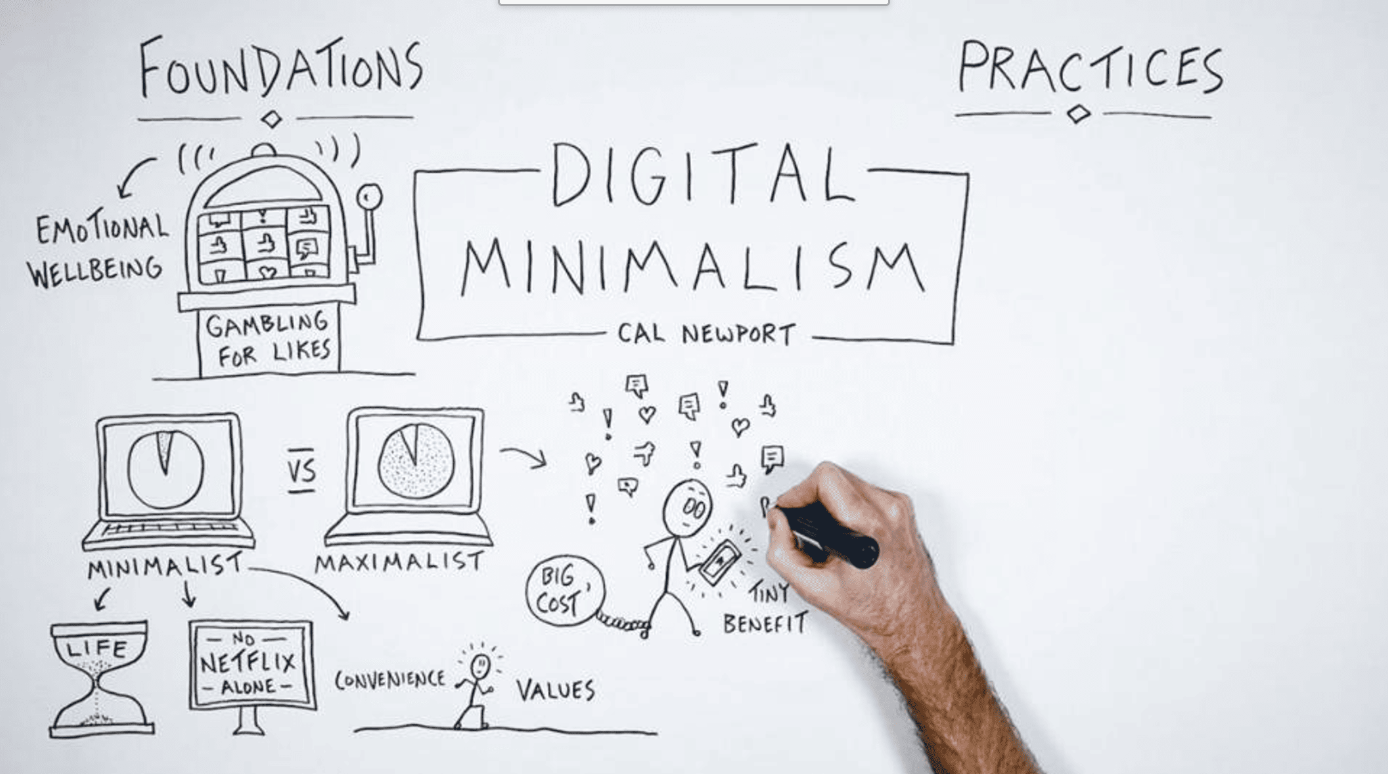
The term digital minimalism can be defined as a philosophy advocating intentional technology use. Instead of occupying all leisure time with digital devices, people will use only those technologies that are needed to enhance work and personal connections and self-development.
It does not imply giving up digital life for some period like in the case of digital detox but developing practices that foster healthier digital experience in the long run. The main principles of digital minimalism are:
- Intentional use of technology.
- Avoiding all unnecessary distractions in the digital world.
- Performing meaningful actions on the Internet.
- Maintaining healthy digital/real-world boundaries.
- Preserving attention and mental health.
The Reasons Why the Problem of Excessive Screen Time Is of Concern
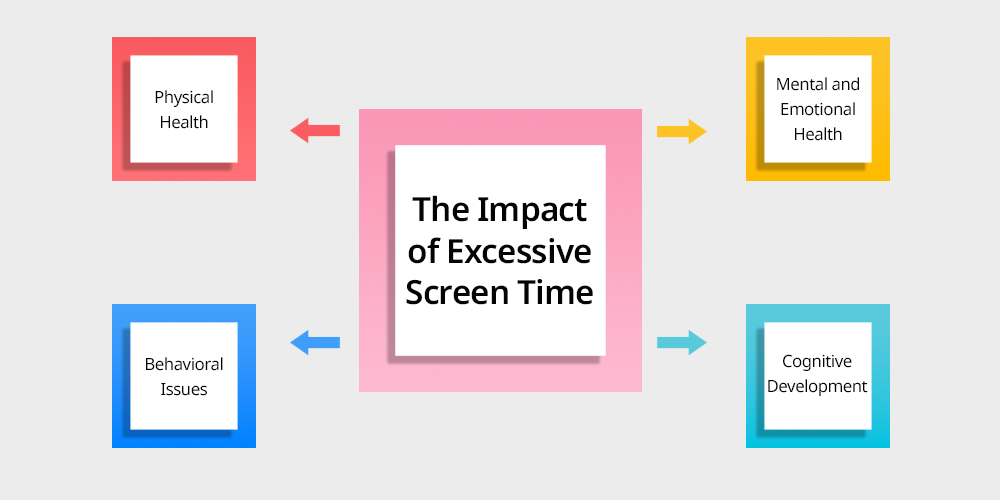
Each individual has to cope with numerous digital devices in their everyday life. Notifications, surfing the Internet, multitasking, etc., make it impossible to concentrate completely on anything. Exposure to excessive screen time might cause:
- Difficulty in concentration.
- Stress and anxiety.
- Bad sleep because of the exposure to blue light.
- Digital fatigue and burnout.
- Less face-to-face communication.
- Reduced creativity due to information overload.
It is extremely important to realize that technology itself is not a threat but its misuse may be.
Pros of Digital Minimalism
- Improved Efficiency
If you eliminate all forms of digital distractions from your life, you will be able to focus on what really matters. It is far more effective to perform a task at once rather than doing multiple tasks at a time.
- Positive Mental Well-being
It becomes easier to have positive mental well-being when you are not stressed out about the information online.
- Improved Quality of Sleep
The quality of sleep becomes better by reducing screen time as there is low exposure to blue light.
- Healthy Relationships
With the use of less number of digital devices, you will be able to interact personally.
- Happiness
Intentional living means focusing on important things in your life.
Reducing Screen Time While Remaining Productive
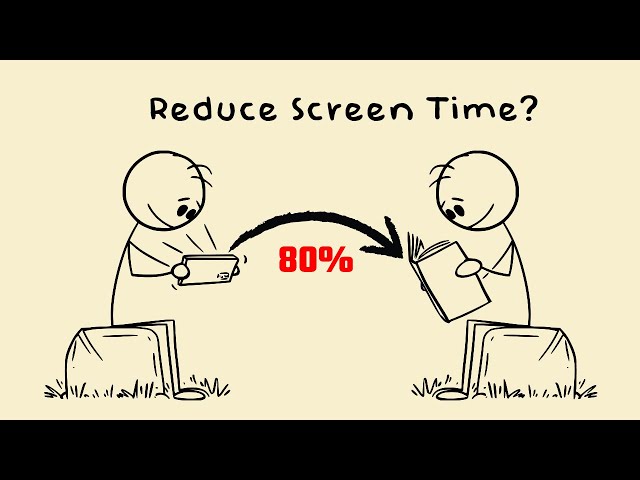
- Evaluate Your Digital Behavior
Begin by assessing the way you utilize your devices. Your smartphone has all the necessary data about your screen time that shows what applications you are using the most. - Turn Off Non-Vital Notifications
Notifications take away your attention every time they appear. It is recommended not to allow social media, games, and other non-essential applications to have notifications but to enable the communication notifications. - Set the Screen Time
Instead of constantly being glued to your device, set specific hours during which you can respond to your messages and social media. - Follow the One-Screen Policy
Utilize one device at the same time. Avoid combining watching TV with surfing the Internet and checking emails when having video-conferences. - Set No-Phone Zones
Define some places that you will not be able to use your phone in. Some of them include: Dining room, Bedroom, Family gatherings, Outdoor activities. - Replace Surfing with Something More Productive
Each time you want to go online, replace it with something that might be useful to you, such as: Reading, Exercising, Journal writing, Learning, Taking a walk, Meditating.
Productivity Without the Burden of Too Much Tech Time
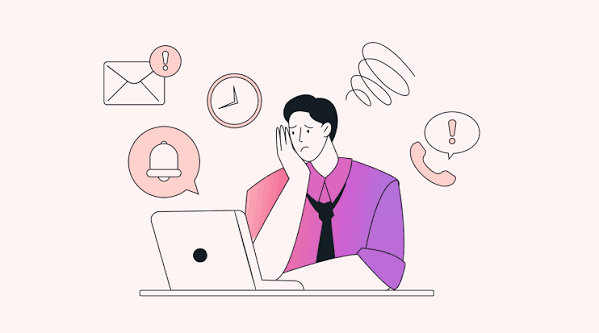
It is often thought that being on the computer for a longer period will lead to better productivity.
However, constant multitasking hinders one’s ability to be productive efficiently. For being productive and minimizing screen time:
- Deep work periods need to be prioritized.
- Task management software should be used intelligently.
- Screen breaks need to be taken periodically.
- Pomodoro technique needs to be applied.
- Similar tasks should be batched.
- One’s working environment should not have any tech distraction unnecessarily.
working efficiently, not longer, is the basis of sustainable productivity

Digital Habits That Need to Be Avoided. There are certain digital practices that waste one’s valuable time without realizing it. Some of these practices are:
- Scrollying aimlessly through social media feeds.
- Looking at email every now and then.
- Using a phone while sleeping.
- Watching videos during work.
- App-switching constantly.
- Notifying each time a new message comes in.
Future of Digital Minimalism
Thanks to constant advancements in artificial intelligence, wearables and other kinds of smart tech, digital minimalism will continue to gain its relevance. Some trends of digital wellness that might emerge in the future will include:
- Screen time management through the help of artificial intelligence.
- Personalized digital wellness coaching.
- Notifications filtering improvements.
- Mindful design of technology.
- The integration of digital wellness in operating systems.
People won’t be trying to hide from technology anymore but rather will be using it wisely.
Conclusion
Digital minimalism does not imply rejecting technology but rather using it with proper intentions and purposes. Being constantly connected nowadays means reducing unnecessary screen time so that one would be able to have control over their attention, boost productivity and be in better shape.
It is possible to form a healthier connection with technology by incorporating easy habits such as distraction limitation, setting up healthy boundaries in terms of technology usage, choosing more meaningful activities online.