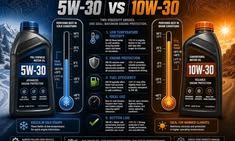
The selection of the right engine oil is perhaps one of the easiest but most critical things that you can do to protect the engine of your vehicle. Considering there are different viscosity options for engine oils like 5W-30, 5W-40, and 10W-40 among others, understanding the difference will help you avoid confusion. Oil viscosity is an important concept that can guide you in making the right choice.
What Is Meant By 5W-30, 5W-40, And 10W-40?

The oil coding numbers represent the viscosity of the oil at different temperatures.
In this case, the letter W stands for winter and the number before that indicates how the oil works under cold weather conditions. The last number, on the other hand, indicates how viscous the oil works at high engine temperatures.
For example, 5W-30 works better than 10W-40 under cold weather conditions. However, the difference between 5W-40 and 10W-40 is that they both work in the same way under high engine temperatures, while their cold weather condition performances vary.
This is very important because the engine requires the right oil that will work effectively even in cold weather and under high temperature conditions as well.
5W-30 Oil: Efficient and Versatile
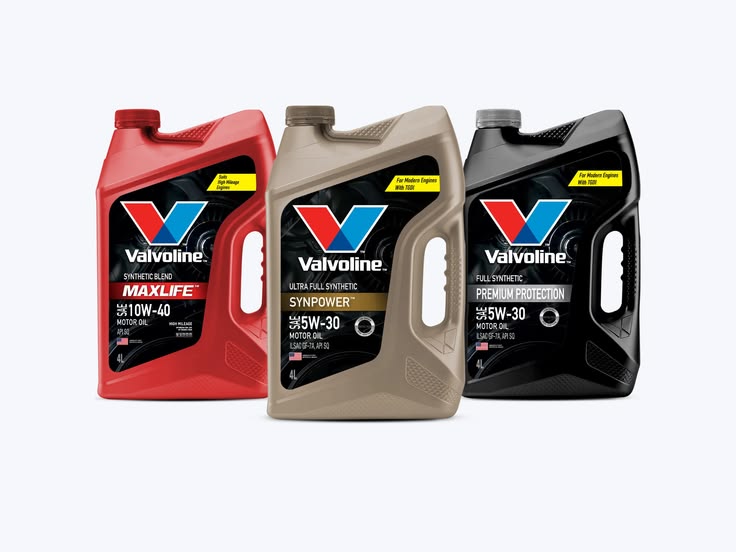
Engine oil 5W-30 has gained wide popularity among passenger cars nowadays since it offers satisfactory starting properties, engine protection, and improved fuel economy.
Due to the relatively low viscosity of the oil at high temperatures, it is able to flow adequately inside the engine reducing internal friction and thus increasing the fuel economy in some cases.

Overall, 5W-30 may be an excellent oil choice for contemporary engines with small tolerances. Nevertheless, whether you need it or not does not depend on the oil viscosity but on the recommendations of the manufacturer.
If the owner’s manual recommends 5W-30 oil for your engine, this oil will be perfect for you in many aspects.
5W-40: Excellent Protection in All Conditions

The engine oil 5W-40 has the same cold viscosity grade as 5W-30, but the viscosity in normal engine conditions is higher than 5W-30.
This would provide better oil protection under high temperature and high-pressure conditions. Therefore, in some cases, 5W-40 could be used for certain types of cars and performance purposes.
But do not forget that thick is not always good. The wrong oil that is too thick for the engine will impact the oil efficiency. Do not forget to use only recommended by the manufacturer.
10W-40: An Effective Choice for Some Vehicles

Oil 10W-40 has a higher viscosity at low temperatures in comparison with oils 5W-30 and 5W-40. So it will have problems with flowing in low temperatures especially in the coldest regions.
In the case when we consider normal operating conditions, oil 10W-40 has the same “40” high-temperature viscosity level as oil 5W-40.
This viscosity is traditionally linked with many older cars and engines, but it will fit depending only on the requirements of the car manufacturer, engine type, climatic condition, etc.
What Oil for an Engine Is the Best?

There is not the universal answer to the question above. The best oil will be the one which corresponds to your car manufacturer requirements.
Before buying engine oil you should read carefully your owner’s manual or manufacturer documentation in order to know what viscosity and oil specifications are required (API, ACEA, ILSAC, manufacturer specifications, etc.)
It is also necessary to think about the driving environment. Short rides, heavy traffic, extreme temperatures, towing, fast driving, etc. could require from the engine something different than relaxed highway riding.
Conclusion
While comparing 5W-30 with 5W-40 and 10W-40, it is important to note that the determining factor should not be the thicker and more expensive engine oil. It should be a lubricant that suits the recommendations and specifications of the car manufacturer.
The right oil can ensure proper lubrication of the engine parts, reduction of friction, proper management of temperature, and protection of components in the engine during its entire operation.
In conclusion, it can be asserted that the best engine oil for a particular vehicle is that which has been designed and engineered to suit the engine in that particular vehicle rather than that with higher viscosity or price tag.